
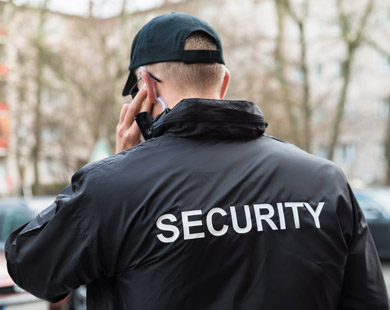
Office parking facilities and basement areas are often overlooked when businesses plan their security arrangements. However, these spaces may contain employee vehicles, visitor parking, service entrances, electrical equipment, storage rooms, and access routes connecting different parts of a building. Because some areas receive less foot traffic than reception zones and office floors, security gaps can go unnoticed until an incident occurs.
For this reason, businesses should include parking facilities and basements in their overall office security plans. Appropriate lighting, controlled access, surveillance, clear signage, and trained security personnel can help reduce unauthorised entry and improve the reporting of suspicious activity. Moreover, these measures can help employees and visitors feel more confident when entering or leaving the premises.
Why Office Parking and Basement Areas Need Attention
Parking facilities often experience frequent vehicle movement during opening hours and at the end of the working day. Meanwhile, basements may include isolated corners, storage spaces, service corridors, and equipment rooms that are not regularly visited by office employees.
As a result, several security concerns may arise:
- Unauthorised vehicle access: Unknown vehicles may enter restricted parking areas or use spaces without permission.
- Vehicle theft and damage: Poor monitoring can make it harder to identify suspicious activity around parked vehicles.
- Unauthorised pedestrian movement: Individuals may use parking areas to reach office floors without following reception procedures.
- Poor visibility: Inadequate lighting can make it difficult to observe movement in certain sections.
- Restricted-area access: Electrical rooms, maintenance areas, and storage spaces may require additional access controls.
- Obstructed routes: Improper parking can block emergency exits, vehicle lanes, or access for emergency responders.
- Delayed incident reporting: Employees may not know whom to contact when they notice suspicious behaviour or property damage.
Therefore, businesses should assess these areas regularly instead of assuming that the main entrance provides sufficient protection for the entire building.
Practical Ways to Improve Office Parking Security
A well-organised parking facility combines clear procedures with consistent monitoring. The following measures can help businesses improve security while maintaining convenient access for employees and visitors.
1. Introduce Controlled Vehicle Access
First, businesses should establish clear rules for vehicles entering and leaving the premises. Depending on the facility, this may involve parking permits, access cards, vehicle registration records, or verification by security personnel.
For example, employee vehicles may be registered in advance, while visitors may need to confirm their appointment or obtain temporary parking authorisation. Similarly, delivery vehicles and maintenance contractors should follow a separate procedure where appropriate.
In addition, businesses should review how temporary access is granted. When access permissions are not updated after employees leave or parking arrangements change, unauthorised entry may become more likely.
2. Verify Visitor Parking
Visitor parking should be easy to identify and manage. Clear signs can direct visitors to designated spaces and explain where they should report upon arrival.
Security guards can help confirm visitor authorisation and direct people to the correct location. Furthermore, parking records may help building management understand who has entered the facility when investigating an incident.
However, procedures should remain proportionate. A simple visitor registration system may be sufficient for some offices, while larger commercial buildings may require more structured access controls.
3. Monitor Pedestrian Access From Parking Areas
Parking facilities often connect directly to lifts, staircases, office corridors, and service entrances. Consequently, a person may be able to reach an office floor without passing through the main reception area if internal access is not controlled.
Businesses should review these connections and determine which routes require access cards, security checks, or other restrictions. For example, a basement lift may need to permit access only to authorised floors.
At the same time, emergency exits must remain available in accordance with applicable safety requirements. Security measures should never prevent people from using designated emergency escape routes.
4. Establish Clear Parking Rules
Consistent parking rules can reduce confusion and help guards identify unusual activity. Businesses should define permitted parking areas, visitor arrangements, vehicle speed limits, and procedures for reporting abandoned or improperly parked vehicles.
Moreover, management should communicate these rules to employees and contractors. When everyone understands the same procedures, security staff can enforce them more consistently.
Improving Security in Basement Areas
Basement areas require particular attention because they may include storage spaces, service rooms, maintenance facilities, and routes used by contractors.
Inspect Access Points and Restricted Rooms
First, businesses should identify every entrance connecting the basement to the rest of the building. This includes vehicle ramps, stairwells, lift lobbies, service doors, and emergency exits.
Rooms containing electrical panels, building management equipment, or maintenance supplies should have access restrictions appropriate to their purpose. Furthermore, damaged locks or doors that do not close properly should be reported and repaired promptly.
Security guards can monitor access and report concerns, while authorised maintenance personnel remain responsible for carrying out technical work.
Improve Lighting and Visibility
Poor lighting can make it difficult to identify hazards or observe activity in basement corners, parking bays, and pedestrian routes. Therefore, businesses should inspect lighting regularly and address failed fixtures without unnecessary delay.
In addition, mirrors or suitable visibility aids may help drivers navigate blind corners where appropriate. Clear markings can distinguish vehicle lanes from pedestrian walkways and help reduce confusion.
Keep Emergency Routes Clear
Basements may contain stairwells, emergency doors, fire equipment, and routes used during evacuation. Consequently, stored materials, parked vehicles, and temporary equipment should not obstruct these areas.
Security personnel can report obstructions during routine checks. Meanwhile, building management should establish procedures for removing them and ensuring that designated emergency routes remain accessible.
Monitor Contractor Activity
Maintenance teams and external contractors may need access to basement equipment rooms, service corridors, or loading areas. However, their work should be authorised and managed according to building procedures.
For instance, management can record the purpose of a contractor’s visit, identify the relevant work area, and establish the expected access period. Security guards can then direct the contractor appropriately and report access outside the approved scope.
This approach helps maintain accountability without unnecessarily delaying essential maintenance work.
The Role of Security Guards in Parking and Basement Protection
Physical security measures are important, but trained personnel help ensure that procedures are followed in practice.
Conducting Regular Patrols
Security guards can patrol designated parking levels, basement corridors, vehicle entrances, and external access points. During these checks, they can look for damaged doors, unusual vehicle activity, lighting failures, or other visible concerns.
Moreover, patrol records can help supervisors identify repeated issues. If a particular entrance is frequently found unsecured, management can investigate whether the problem relates to a faulty lock, unclear responsibilities, or inconsistent procedures.
Observing Vehicle and Pedestrian Movement
Guards can monitor activity at key access points and report movement that appears inconsistent with established rules. For example, they may notice someone repeatedly attempting to enter a restricted area or a vehicle using an unauthorised parking zone.
However, observations should be based on specific behaviour rather than assumptions about a person’s appearance. If a situation requires further investigation, guards should notify the relevant supervisor and follow the approved response procedure.
Responding to Incidents
If a vehicle is damaged, property goes missing, or an individual attempts unauthorised access, security personnel should report the incident promptly. Depending on the situation, the response may include notifying building management, preserving relevant records, or contacting emergency services.
In addition, guards should record the time, location, observations, and actions taken. Accurate reporting can help management understand the incident and determine whether additional security measures are needed.
How CCTV and Access Technology Can Help
CCTV can provide useful visibility across parking entrances, vehicle lanes, lift lobbies, and selected basement areas. In addition, recorded footage may help management review an incident and identify relevant details.
Access cards and vehicle entry systems can also reduce the need for manual verification at every point. Nevertheless, these systems should be maintained properly, and access permissions should be reviewed when employees, contractors, or parking arrangements change.
Technology should complement rather than replace security personnel. For example, a camera may capture a person entering a restricted area, but someone must still review the event and follow the appropriate reporting process.
Furthermore, businesses should handle recordings and access logs responsibly, restricting access to authorised individuals and following applicable privacy requirements.
Developing a Consistent Office Security Routine
Security improvements are most effective when they become part of routine building management. Therefore, businesses should schedule regular inspections of parking areas, access doors, lighting, cameras, and emergency routes.
A practical checklist may include:
- Checking vehicle entrances and pedestrian access points.
- Confirming that restricted rooms are properly secured.
- Inspecting lighting in parking bays and basement corridors.
- Ensuring emergency exits and access routes remain clear.
- Reviewing reported incidents and unresolved maintenance issues.
- Confirming that visitor and contractor procedures are being followed.
- Checking that security personnel know the escalation process.
Additionally, employee awareness can strengthen these measures. Staff should know how to report suspicious activity, vehicle damage, missing property, or access-control problems without confronting individuals themselves.
Choosing the Right Office Security Provider
Businesses should evaluate security providers based on their understanding of commercial buildings and the practical challenges of parking and basement management.
Important factors include relevant experience, staff training, supervision, communication procedures, patrol planning, and incident documentation. Furthermore, the provider should understand the relationship between parking security, reception procedures, building management, and emergency planning.
Before deployment, management should agree on patrol areas, shift responsibilities, access-control procedures, reporting requirements, and escalation arrangements. These details help ensure that security personnel know what is expected of them.
Conclusion
Improving security in office parking and basement areas requires controlled access, adequate lighting, regular inspections, appropriate surveillance, and consistent monitoring. By addressing these areas proactively, businesses can reduce unauthorised movement, improve incident reporting, and provide a more secure environment for employees and visitors.
For businesses seeking professional office security support in Thane, Om Sai Safeguard Services offers security solutions backed by trained personnel, professional supervision, and structured security practices. With a plan tailored to the building’s layout and daily operations, businesses can strengthen parking security and maintain better oversight of their premises.