
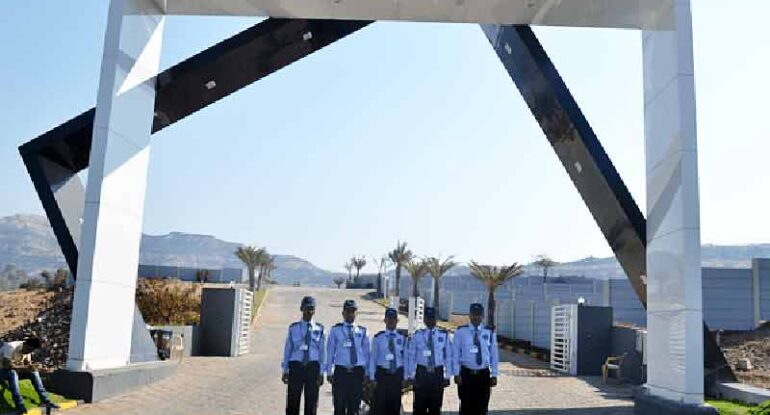
Vacant commercial units can create security challenges for property owners, commercial building managers and facility management teams. These spaces may remain unoccupied for several weeks or even months while owners search for new tenants, complete renovation work or wait for business operations to begin. Although a unit may be empty, it still contains valuable fixtures, electrical equipment, fittings and other property that require protection.
Furthermore, vacant units can attract unauthorized visitors because they do not have regular employees or customers monitoring their surroundings. Individuals may attempt to enter through unlocked doors, damaged shutters, shared corridors or service entrances. In some cases, unauthorized access may go unnoticed until property damage, theft or suspicious activity is discovered.
This is where commercial security guards play an important role. They help monitor vacant commercial spaces, observe unusual movement, control access to restricted areas and report security concerns to property management. Moreover, their presence can discourage unauthorized entry and help maintain security across the wider commercial property.
Why Vacant Commercial Units Require Dedicated Security Attention
A commercial property does not become completely secure simply because a unit is unoccupied. In fact, the absence of regular business activity can make certain areas more vulnerable.
For example, an occupied shop may have employees opening and closing the premises every day. However, a vacant unit may remain closed for an extended period without anyone checking its doors, windows or internal condition.
Similarly, commercial units undergoing renovation may have workers, contractors and suppliers visiting at different times. Without proper supervision, it can become difficult to identify whether everyone entering the premises has a legitimate reason to be there.
Some common security risks associated with vacant commercial units include:
- Unauthorized entry: Individuals may attempt to enter an empty unit without permission.
- Theft of fixtures and fittings: Electrical components, air-conditioning equipment, lighting fixtures and other installations may be targeted.
- Property damage: Unauthorized visitors may damage doors, walls, windows or other internal structures.
- Unapproved occupation: Vacant spaces may be used for activities that have not been authorized by the property owner.
- Fire and safety concerns: Unauthorized use of electrical equipment or storage of unsuitable materials may create additional risks.
- Suspicious movement: Individuals may gather around vacant units because there is less regular activity to attract attention.
Therefore, property managers should include vacant units in their overall security arrangements rather than focusing only on occupied shops and offices.
Monitoring Access to Vacant Commercial Units
One of the primary responsibilities of commercial security guards is to monitor who enters and leaves the property.
In commercial buildings, multiple units may share the same entrance, corridors, parking areas and service facilities. Consequently, a person may move through common areas without immediately attracting attention.
Security guards should understand which units are occupied, which are vacant and which are temporarily closed for maintenance. This information helps them identify unusual activity.
For effective access monitoring, guards can:
- Maintain an updated list of vacant commercial units.
- Observe individuals approaching closed or unoccupied premises.
- Check whether visitors have authorization to enter a vacant unit.
- Monitor doors, shutters and other access points.
- Direct contractors and maintenance workers towards approved locations.
- Report attempts to enter vacant spaces without permission.
Furthermore, security personnel should follow the instructions of authorized property managers when a prospective tenant, property agent or maintenance worker requests access.
A person claiming to be interested in renting a unit should not automatically receive permission to enter. Instead, their visit should be verified through the property management team or the authorized owner.
Preventing Unauthorized Entry Through Shared Areas
Vacant units are not always located in isolated sections of a commercial property. Many are situated between occupied shops, offices or showrooms.
As a result, unauthorized individuals may attempt to access them through common corridors, staircases, service passages or parking areas.
For instance, someone may enter a commercial building during business hours and later move towards a closed unit. Similarly, an individual may attempt to use a service entrance when fewer employees are present.
Commercial security guards can help reduce these risks by monitoring common access points and conducting regular patrols.
Their responsibilities may include:
- Observing movement near vacant shop entrances.
- Monitoring staircases and corridors connected to unoccupied units.
- Checking service entrances and loading areas.
- Reporting doors or shutters that appear damaged.
- Watching for individuals repeatedly approaching restricted spaces.
- Ensuring that unauthorized visitors do not use common areas to access closed premises.
Moreover, guards should pay attention to unusual activity outside normal business hours. A vacant unit may require additional monitoring during evenings, weekends and public holidays when fewer people are present.
Conducting Regular Patrols Around Unoccupied Units
Physical patrols are an important part of commercial security because they allow guards to inspect areas that may not receive regular attention.
Although CCTV systems can record activity, a physical patrol helps identify visible problems such as damaged locks, broken windows, unsecured shutters or objects placed near entrances.
A patrol schedule should cover vacant units as well as the surrounding areas.
During patrols, security personnel can check:
- Main doors and shutters.
- Windows and accessible openings.
- Shared corridors and staircases.
- Rear entrances and service passages.
- Parking spaces near vacant units.
- External boundaries and less frequently used access points.
- Signs of forced entry or property damage.
Furthermore, guards should record and report unusual observations rather than attempting repairs themselves.
For example, if a shutter appears damaged, the guard should notify the supervisor or property manager. Similarly, if an entrance is found unlocked, the situation should be reported and handled according to the property’s security procedure.
Regular patrol records also help management understand whether security concerns are isolated incidents or recurring problems.
Managing Contractor and Maintenance Worker Access
Vacant commercial units often require maintenance before they can be occupied by a new tenant. Activities may include electrical repairs, painting, plumbing, air-conditioning installation, cleaning and interior renovation.
Consequently, contractors and service providers may need temporary access to the premises.
However, property management should maintain control over these visits. Otherwise, unauthorized individuals may use maintenance activities as an opportunity to enter restricted spaces.
Commercial security guards can support contractor management by:
- Checking the identity of contractors according to property policy.
- Confirming whether the visit has been approved.
- Recording entry and exit information where required.
- Directing workers towards the assigned unit.
- Monitoring the movement of tools and equipment.
- Reporting unexpected changes to the work schedule.
- Informing management when contractors complete their assignments.
In addition, contractors should not be allowed to access neighbouring units or unrelated service areas without permission.
Where several units are undergoing renovation, security personnel should receive clear instructions about which workers are assigned to each location.
Protecting Fixtures, Fittings and Property Assets
An empty commercial unit may still contain valuable items. These can include lighting systems, electrical panels, air-conditioning units, plumbing fixtures, glass partitions, doors and installed equipment.
Moreover, some commercial units may contain furniture or materials left behind by previous tenants.
Security guards can help protect these assets by observing suspicious movement and reporting unauthorized removal.
For example, if an individual attempts to carry equipment out of a vacant unit, security personnel should follow the property’s verification procedure before allowing the movement to continue.
Useful security measures include:
- Monitoring movement of large equipment through building exits.
- Checking relevant authorization documents where required.
- Observing activity around storage areas.
- Reporting missing or damaged fixtures.
- Monitoring loading and unloading activities.
- Coordinating with property management when assets are transferred.
However, security guards should not independently decide whether an item belongs to the property owner or a former tenant. Any dispute over ownership or removal permission should be referred to authorized management.
Monitoring CCTV and Other Security Systems
CCTV surveillance can support the monitoring of vacant commercial units, especially when a building contains several floors or multiple access points.
Cameras may cover entrances, corridors, parking areas, staircases and loading zones. These recordings can help security personnel observe movement and identify suspicious activity.
Nevertheless, CCTV should not be treated as a replacement for physical security guards.
For example, a camera may record an individual approaching a vacant unit, but a guard can check the area, verify the situation and inform management when necessary.
Security personnel should also report:
- Cameras that are not functioning.
- Poor lighting near vacant units.
- Damaged access-control systems.
- Doors that cannot be secured properly.
- Blind spots created by temporary construction materials.
Furthermore, CCTV footage should be accessed and handled according to the property’s authorized procedures and applicable privacy requirements.
Managing Security During Nights and Public Holidays
Commercial properties often experience reduced activity after regular business hours. While occupied businesses may have employees working late, vacant units generally remain closed.
This difference makes night-time security particularly important.
During these hours, guards should pay closer attention to entrances, parking areas, corridors and vacant sections.
A suitable night security routine may include:
- Checking the condition of vacant unit entrances.
- Monitoring movement around closed commercial spaces.
- Observing individuals entering through service gates.
- Conducting scheduled patrols.
- Reporting unusual sounds or visible signs of entry.
- Maintaining proper communication during shift handovers.
Similarly, public holidays may require additional attention because fewer property managers and maintenance employees may be available on-site.
Therefore, security supervisors should ensure that guards have updated contact details for the responsible property representatives.
Responding to Unauthorized Access Attempts
If an unauthorized person attempts to enter a vacant commercial unit, security personnel should respond calmly and follow the established reporting procedure.
The first priority is to prevent further unauthorized movement without creating unnecessary confrontation.
A suitable response may involve:
- Politely questioning the individual’s purpose.
- Asking for authorization or contacting property management.
- Preventing entry until permission is confirmed.
- Informing the security supervisor.
- Recording the incident according to site procedures.
- Requesting additional assistance if the individual refuses to cooperate.
If signs of forced entry, property damage or criminal activity are discovered, guards should avoid disturbing the scene unnecessarily and notify the appropriate authorities through the established process.
Moreover, every incident should be documented accurately so that management can review what happened and decide whether additional security measures are needed.
Why Commercial Properties Benefit From Professional Security Guards
Managing several occupied and vacant commercial units requires consistent supervision. Property owners may not always have employees available to monitor every entrance, corridor and unoccupied space.
Professional security guards provide a visible security presence and help maintain established access procedures.
Their support can be especially useful for:
- Shopping complexes with multiple vacant shops.
- Commercial buildings waiting for new tenants.
- Office properties undergoing renovation.
- Business centres with shared access areas.
- Retail properties with separate service entrances.
- Commercial premises that remain partially occupied after business hours.
Furthermore, a professional security agency can help property management arrange suitable guard deployment according to the size, layout and operating hours of the premises.
Conclusion
Vacant commercial units require proper security attention even when no business is operating inside them. Unauthorized access, property damage, theft and suspicious movement can create problems for property owners and commercial building managers. Therefore, maintaining controlled access and regular monitoring is essential.
Professional commercial security guards help address these concerns through entrance monitoring, physical patrols, contractor verification and timely incident reporting. Moreover, their presence helps maintain security across shared areas and reduces the chances of vacant units being overlooked.
Om Sai Safeguard Services understands the importance of protecting commercial properties, including unoccupied shops, offices and business premises. Through professional security personnel, access monitoring and structured site supervision, Om Sai Safeguard Services supports property owners and management teams in maintaining a more secure commercial environment.