
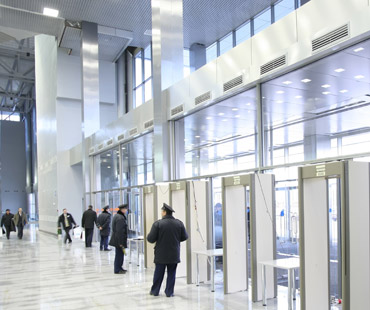
Events bring people together in large numbers, often within a limited space and during a relatively short period. Whether it is a corporate gathering, concert, exhibition, wedding, public program, product launch, sporting event, or private function, organizers need to manage guests while keeping the venue secure.
As attendance increases, however, security becomes more complicated. Guests need to enter and leave safely, staff need access to operational areas, VIPs may require additional protection, and crowds need to move without unnecessary congestion. Therefore, event security services can play an important role in maintaining order while allowing the event to proceed smoothly.
Effective event security is not simply about placing guards at the entrance. Instead, it involves planning, observation, communication, access control, crowd management, and preparation for unexpected situations.
Why Large Events Create Unique Security Challenges
An ordinary workplace may have a relatively predictable group of employees and visitors. Events are different because large numbers of people may arrive at approximately the same time.
Consequently, entrances, parking areas, queues, seating areas, backstage sections, and exits can become crowded.
Furthermore, attendees may not know the layout of the venue. As a result, security personnel often need to provide directions while simultaneously monitoring the environment.
A well-organized security plan can help manage these challenges without unnecessarily disrupting the guest experience.
Managing Large Crowds
Crowd management is one of the most important aspects of event security.
When large groups gather, even a minor disruption can cause people to move suddenly or create congestion. Therefore, security personnel need to observe crowd movement and identify areas where people are gathering excessively.
Security guards can help direct attendees toward appropriate entrances, exits, seating areas, waiting zones, or other designated locations.
Moreover, maintaining clear movement paths can make it easier for people to leave the venue safely when required.
Managing Event Entrances
The entrance is often the busiest point at an event. Guests may arrive with tickets, invitations, identification, bags, or other items that require checking.
Consequently, security personnel need to balance efficient entry with appropriate security procedures.
They may help manage queues, verify access permissions, direct guests, and identify individuals who require additional assistance.
Furthermore, separating different categories of attendees can improve organization. For example, VIP guests, staff, vendors, and general attendees may have different entry arrangements.
Supporting VIP Protection
Certain events involve public figures, executives, celebrities, business leaders, or other VIP guests. Their presence can create additional security requirements.
Therefore, VIP movement may need to be planned separately from general crowd movement.
Security personnel can help manage designated access routes, restricted areas, entry and exit points, and movement between event locations.
The objective is not to create unnecessary distance between VIPs and attendees. Instead, the goal is to maintain controlled movement while allowing the event schedule to continue smoothly.
Protecting Staff and Event Workers
Event security also involves protecting the people working behind the scenes.
Staff members, caterers, technicians, vendors, performers, organizers, and contractors may need access to areas that are not intended for general attendees.
Consequently, security personnel can help maintain separation between public and operational areas.
For example, backstage areas, equipment zones, storage rooms, control rooms, and staff entrances may require restricted access.
This can help reduce unnecessary movement and protect important event resources.
Managing Restricted Areas
Not every area of an event venue should be open to everyone.
Depending on the event, restricted locations may include:
- Backstage areas
- Equipment rooms
- Staff zones
- VIP lounges
- Control rooms
- Storage spaces
- Service entrances
- Emergency access routes
Security personnel can monitor these areas and help ensure that only authorized individuals enter.
Moreover, clear access procedures can reduce confusion among staff and attendees.
Parking and Vehicle Management
Events can generate significant vehicle movement. Guests may arrive in private cars, taxis, buses, delivery vehicles, and other transport.
As a result, parking and drop-off areas can become congested quickly.
Security personnel can help direct vehicles, manage designated areas, monitor restricted access, and maintain clear routes for emergency vehicles.
Furthermore, organized vehicle movement can reduce confusion around entrances and pedestrian areas.
Security During Entry and Exit
Event security is required throughout the event, but arrival and departure periods can be particularly busy.
At the end of an event, a large number of people may attempt to leave within a short period. Therefore, security personnel can help direct crowds toward appropriate exits and prevent unnecessary congestion.
Additionally, security staff can monitor parking and pickup areas while people leave the venue.
This is particularly useful for large events where thousands of attendees may leave around the same time.
Responding to Unexpected Situations
No event is completely predictable. A guest may become unwell, a dispute may occur, someone may enter a restricted area, or an unexpected safety concern may develop.
Consequently, security personnel need to remain observant and communicate quickly when something unusual occurs.
Depending on the situation, security staff may isolate an affected area, guide people away, notify event management, or coordinate with emergency personnel.
Therefore, security can contribute to a more organized response when unexpected events occur.
Emergency Access Must Remain Clear
Emergency routes should never become blocked by crowds, vehicles, equipment, or temporary structures.
For this reason, security personnel can monitor important access paths throughout the event.
They can also help ensure that designated entrances and exits remain usable and that people do not unnecessarily gather in emergency access areas.
Furthermore, security staff can help guide emergency responders to the correct location when required.
Communication Between Security and Event Management
Event security works best when security personnel and organizers communicate clearly.
Before an event begins, the security team should understand the venue layout, event schedule, expected attendance, VIP arrangements, staff areas, restricted zones, and emergency procedures.
During the event, communication can help security personnel respond to changes quickly.
For example, if the event schedule changes or an additional area needs to be opened, security staff need to know about the change.
Consequently, communication is an important part of maintaining consistent security throughout the event.
Using Technology Alongside Security Personnel
Technology can provide additional support during large events. CCTV cameras, access control systems, communication devices, alarms, and other tools can help security teams monitor the venue.
However, technology works best when combined with trained personnel.
A camera can identify movement, but security staff can assess the situation and communicate with attendees. Similarly, an access control system can restrict entry, while security personnel can manage exceptions or answer questions.
Therefore, combining technology with human supervision can improve overall event monitoring.
Planning Before the Event
Good event security begins before guests arrive.
Organizers and security teams can review:
- Venue layout
- Expected attendance
- Number of entrances
- VIP requirements
- Staff access
- Parking arrangements
- Restricted areas
- Emergency exits
- Event schedule
- Communication procedures
By preparing in advance, the security team can better understand where attention may be required.
Why Security Should Adapt During the Event
Security needs can change as an event progresses.
For example, entrances may be busiest at the beginning, while exits become more important at the end. During the main program, attention may shift toward crowd movement and restricted areas.
Therefore, security personnel should remain flexible instead of following exactly the same routine throughout the event.
Conclusion
Event security services matter because large gatherings involve complex movement of VIPs, staff, vendors, guests, vehicles, and crowds. Without organized security, entrances can become congested, restricted areas can be accessed unnecessarily, and unexpected situations may become more difficult to manage.
Professional event security can support crowd movement, access control, VIP protection, staff safety, parking management, emergency access, and communication with event organizers. Moreover, combining trained security personnel with appropriate technology can provide additional visibility across the venue.
Om Sai Safeguard Services provides professional event security solutions designed to support different types of gatherings and venues. With trained personnel, crowd-management support, access control, VIP security, and responsive security planning, Om Sai Safeguard Services can help organizers maintain a more secure and well-managed environment while allowing guests to focus on the event itself.