
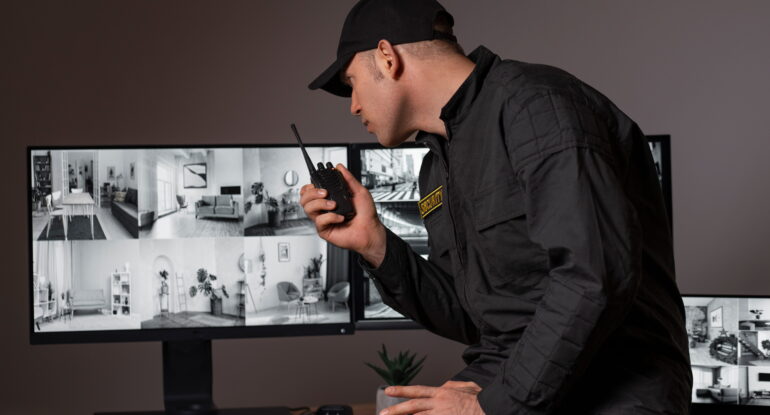
Events bring people together for celebrations, corporate functions, social gatherings, conferences, exhibitions, and other occasions. While events are designed to provide an enjoyable experience, managing a large number of people in one location can create security and safety challenges. Guests need to enter and leave smoothly, restricted areas must remain controlled, and unexpected situations need to be handled quickly.
Professional event security services can help organizers maintain a secure environment from the moment guests arrive until the venue is cleared. Trained security personnel can support access control, crowd management, guest assistance, parking coordination, emergency response, and monitoring throughout the event.
Why Security Matters at Events
The success of an event depends on more than the quality of the venue or program. Guests also need to feel safe and comfortable throughout their visit.
Large gatherings can involve hundreds or even thousands of people. With increased footfall, it becomes more difficult for organizers to monitor entrances, exits, parking areas, event spaces, and restricted sections on their own.
Security personnel provide dedicated monitoring and help organizers manage these responsibilities more effectively.
Managing Guest Entry
The entrance is often the first point where event security becomes visible. A poorly managed entrance can result in long queues, confusion, unauthorized entry, and unnecessary crowding.
Security guards can assist with entry management by monitoring access points and directing guests toward appropriate areas. Depending on the event, personnel may also assist with guest verification or access credentials.
A structured entry process helps guests reach the venue smoothly while allowing organizers to maintain better control over who enters the event area.
Supporting Crowd Management
Crowd management is one of the most important responsibilities of event security. People may gather around entrances, stages, food areas, registration desks, or other popular locations.
Security personnel can monitor crowd movement and help prevent unnecessary congestion. They can guide guests toward less crowded areas and communicate with event organizers when a particular location requires additional attention.
Early intervention can help prevent small crowd-management issues from becoming larger problems.
Protecting Restricted Areas
Events often contain areas that are reserved for staff, performers, organizers, vendors, or VIP guests. Equipment and other valuable items may also be stored in designated sections.
Security guards can monitor access to these areas and prevent unauthorized individuals from entering. Clearly managed restricted zones can help organizers protect event equipment and maintain the intended structure of the event.
Monitoring Parking Areas
Event parking facilities can become crowded, especially when many guests arrive within a short period. Vehicle movement needs to be coordinated to reduce congestion and maintain access for emergency vehicles.
Security personnel can help direct vehicles, monitor parking areas, and support orderly entry and exit. They can also observe unusual activity around parked vehicles and report concerns when necessary.
Supporting Guest Assistance
Security guards are often among the first personnel guests approach when they need help finding an entrance, parking area, registration desk, or other part of the venue.
Professional communication is therefore an important part of event security services. Guards should be approachable and capable of providing clear directions while maintaining awareness of the overall security environment.
This combination of hospitality and vigilance can improve the experience for guests.
Responding to Unexpected Situations
Events can involve unexpected situations such as medical emergencies, disputes, unauthorized access, lost children, property concerns, or sudden crowd movement.
Security personnel can alert event management and assist with controlling the surrounding area. Their presence allows organizers to respond more quickly while reducing confusion among guests.
For larger events, having a designated security team can make it easier to coordinate responses across different parts of the venue.
Supporting Emergency Procedures
Event venues should have appropriate procedures for fire, evacuation, medical incidents, and other emergencies. Security personnel can support these procedures by keeping access routes clear and guiding guests toward designated areas.
In an emergency, people may not know where to go or which instructions to follow. Trained security personnel can help direct movement and communicate with event management.
Maintaining Security During the Event
Security responsibilities do not end once guests have entered. Guards need to continue monitoring the venue throughout the event.
Regular observation can help identify suspicious behavior, unauthorized access attempts, disputes, or areas where crowd density is increasing. Continuous vigilance allows security personnel to respond to issues before they become more disruptive.
Managing the Exit Process
The end of an event can be as challenging as the beginning. Large numbers of guests may attempt to leave at approximately the same time, creating congestion around entrances, exits, and parking areas.
Security guards can help guide guests toward appropriate exits and coordinate vehicle movement. This can help create a smoother departure process and reduce unnecessary crowding.
Choosing Event Security Based on the Venue
Every event has different requirements. A small corporate gathering may need limited security coverage, while a large public event or major celebration may require multiple guards positioned across entrances, parking areas, restricted sections, and event spaces.
Organizers should therefore select a security provider that can understand the expected guest count, venue layout, event schedule, access requirements, and potential security concerns.
Why Professional Security Planning Matters
Hiring security at the last moment without assessing the venue can create unnecessary challenges. Proper planning allows organizers to determine where guards should be positioned and how responsibilities should be divided.
A professional security agency can coordinate with event management and establish appropriate deployment based on the size and nature of the event.
Conclusion
Guest safety requires attention before, during, and after an event. From entry management and crowd control to parking supervision, restricted-area protection, emergency support, and an organized exit process, professional event security services can help create a safer and more controlled event environment.
Om Sai Safeguard Services provides trained security personnel, event security support, crowd management, access control, parking assistance, and emergency response solutions tailored to different event requirements.