
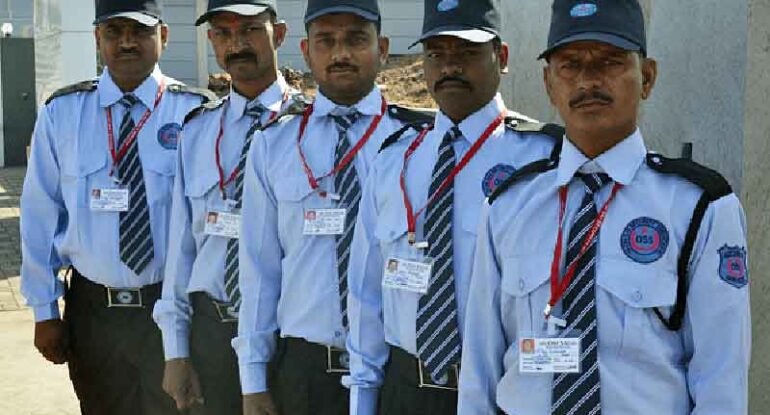
Construction sites often store valuable materials, tools, machinery, and equipment that are essential for completing projects on time. From cement and steel bars to electrical fittings, power tools, and heavy machinery, these assets represent a significant investment. However, because construction sites frequently have open boundaries, multiple access points, and changing work schedules, they can be vulnerable to theft, unauthorised access, and property damage.
For this reason, construction companies need a structured approach to site security. Professional security guard services can help monitor entry points, supervise vehicle movement, conduct regular patrols, and report suspicious activity. Moreover, effective security arrangements can reduce avoidable losses and help construction teams maintain smoother operations.
Why Construction Sites Need Reliable Security
Unlike completed commercial buildings, construction sites change continuously as work progresses. Temporary storage areas may be created, equipment may be moved between locations, and new contractors may arrive throughout the day. Consequently, security procedures must adapt to the changing layout and activity of the site.
Construction sites may face several security risks, including:
- Theft of construction materials: Steel, copper wiring, tools, and other materials may be stolen or removed without authorisation.
- Unauthorised entry: Individuals may enter the site without permission, increasing the risk of theft, injury, or disruption.
- Equipment damage: Machinery and tools may be damaged through misuse, vandalism, or inadequate protection.
- Uncontrolled vehicle movement: Delivery vehicles, contractor vehicles, and transport trucks may create difficulties if entry and exit procedures are unclear.
- After-hours security gaps: Sites may have fewer workers during evenings, weekends, or public holidays.
- Project delays: Missing materials or damaged equipment can interrupt work and increase replacement costs.
Therefore, construction security should not depend solely on boundary walls, locks, or cameras. Instead, businesses should combine trained security personnel with clear access procedures, suitable storage arrangements, and regular monitoring.
The Role of Security Guards at Construction Sites
Security guards help establish order and ensure that site security procedures are followed consistently. Their duties should be defined according to the size of the project, the value of the materials, the number of entry points, and the site’s working hours.
1. Controlling Site Entry and Exit
First, guards can monitor the main entrance and verify the identity and purpose of people entering the site. Workers, contractors, visitors, and delivery personnel may follow different entry procedures. Therefore, guards should understand the approved process for each category.
Similarly, exit checks can help ensure that materials and equipment leave the site only with proper authorisation. For example, when tools or machinery are taken off-site for maintenance, the movement should be supported by the relevant approval or documentation.
As a result, the site manager has better control over who enters the premises and how assets move in and out.
2. Monitoring Material Deliveries
Construction projects receive regular deliveries of cement, steel, bricks, pipes, electrical supplies, and other materials. During busy periods, several vehicles may arrive within a short time. Consequently, proper supervision is important to prevent confusion and unauthorised removal.
Security guards can record vehicle details, confirm delivery references according to site procedures, and direct drivers to designated unloading areas. In addition, they can report discrepancies between the expected delivery and the materials received.
Although guards do not replace the storekeeper or inventory manager, their observations can support accurate recordkeeping and better coordination.
3. Conducting Regular Site Patrols
Construction sites often contain storage sheds, temporary offices, equipment yards, scaffolding, unfinished structures, and perimeter areas. Therefore, regular patrols can help identify security concerns that may not be visible from the main gate.
During patrols, guards can check for damaged locks, open storage areas, unusual movement, or signs of attempted entry. Furthermore, they can report poorly secured tools and equipment so that the responsible team can take corrective action.
Patrol routes should reflect the site’s layout and changing risk areas. For example, a newly established storage area may need additional attention until permanent security measures are in place.
4. Protecting Tools and Machinery
Power tools, generators, compressors, welding equipment, and other machinery can be expensive to replace. In addition, missing equipment can prevent workers from completing scheduled tasks.
Security guards can monitor designated equipment storage areas and report unusual activity around machinery. Meanwhile, construction managers should ensure that tools are returned to approved storage locations after use and that valuable equipment is properly secured.
Together, these practices make it easier to identify missing items and reduce opportunities for unauthorised access.
Security Measures That Support Construction Site Protection
Security guards are an important part of site protection. However, they are most effective when supported by practical physical and administrative controls.
Secure Storage Areas
First, construction companies should designate specific areas for storing high-value tools, electrical supplies, and other materials that are easy to remove. Where appropriate, these areas should have controlled access, suitable locks, and clear responsibility for issuing and returning equipment.
Additionally, materials should be organised so that stock can be checked efficiently. This makes it easier to identify shortages and investigate discrepancies.
Perimeter Protection and Lighting
Fencing, gates, and controlled entry points help define the boundaries of a construction site. Nevertheless, these measures should be inspected regularly because temporary fencing can become damaged as construction progresses.
Similarly, adequate lighting around entrances, storage zones, equipment yards, and vulnerable perimeter areas improves visibility. If a light fails or a gate becomes damaged, the issue should be reported promptly rather than left unresolved.
CCTV Monitoring
CCTV cameras can support monitoring at entry points, storage areas, and vehicle routes. In addition, recorded footage may help management review incidents and understand how a security issue occurred.
However, cameras alone cannot verify every movement or respond to an incident. Therefore, businesses should assign responsibility for monitoring equipment and establish a process for reporting camera failures.
Inventory and Equipment Records
Accurate records help construction managers track materials and equipment throughout the project. For example, stock registers, delivery notes, equipment issue records, and authorised removal forms can establish where assets should be located.
Moreover, regular inventory checks can help identify shortages before they affect work schedules. When security records and inventory records are reviewed together, investigations can be more organised and reliable.
Managing Security During Non-Working Hours
Construction sites may remain unattended by most workers overnight, on Sundays, or during public holidays. Consequently, these periods should be considered when preparing a security plan.
Businesses should determine which materials and equipment require additional protection, confirm that gates and storage areas are secured, and establish suitable patrol schedules. In addition, guards should have clear instructions on how to report suspicious activity and contact the responsible supervisor.
Before a site closes for the day, supervisors can use a simple checklist to confirm that:
- Tools have been stored.
- Temporary offices are locked.
- Vehicles are parked in approved locations.
- Access points are secured.
This routine helps reduce preventable security gaps and makes it easier to identify problems when the site reopens.
Choosing the Right Security Guard Services
Not every construction project has the same security requirements. A small residential development may need a different arrangement from a large industrial project with multiple storage areas and heavy vehicle movement. Therefore, construction companies should select a security provider based on the site’s specific needs.
Consider the following factors:
- Relevant experience: The provider should understand construction site access, material deliveries, equipment protection, and changing work areas.
- Staff training: Guards should be familiar with patrol duties, visitor management, incident reporting, and professional communication.
- Deployment planning: Staffing should reflect the number of entrances, operating hours, site size, and value of stored assets.
- Supervision: A clear reporting structure helps ensure that duties are performed consistently.
- Communication: Guards should know how to contact site managers and report urgent concerns.
- Flexible arrangements: Security procedures may need to change as new structures, storage zones, or access points are introduced.
Furthermore, responsibilities should be documented before deployment. Clear instructions reduce confusion and help security personnel understand when to act independently and when to seek approval.
Conclusion
Protecting construction materials and equipment requires consistent monitoring, secure storage, controlled access, and accurate records. By combining trained security guards with regular patrols, delivery checks, perimeter protection, and clear reporting procedures, construction companies can reduce avoidable losses and support uninterrupted project work.
For businesses seeking professional security guard services in Thane, Om Sai Safeguard Services offers security solutions supported by trained personnel, professional supervision, and structured security practices. A security arrangement tailored to the construction site’s layout and operational requirements can help safeguard valuable assets and maintain better control over daily site activities.